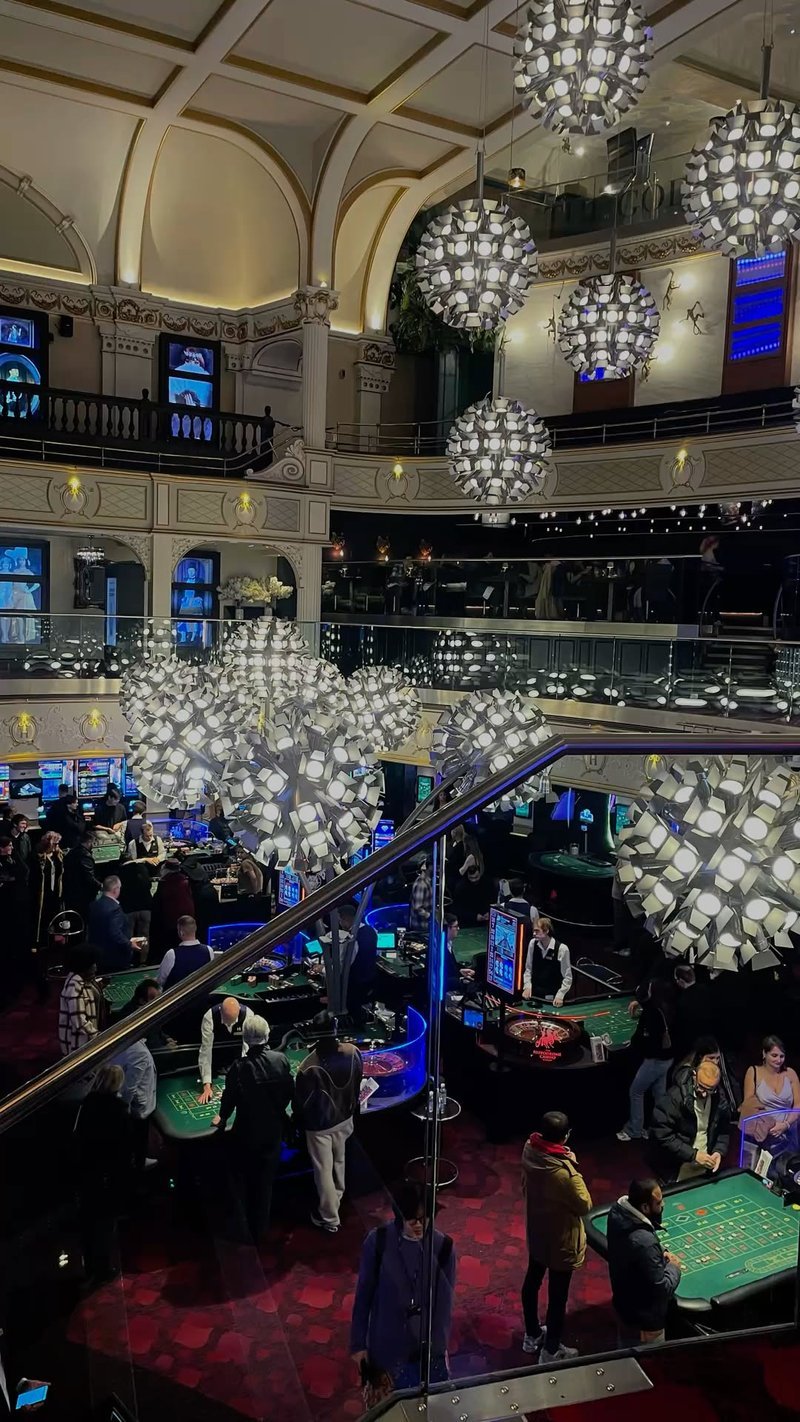


Last Friday night, I walked into a London club that had just installed a new mobile‑gaming wall. Within minutes, a crowd of twenty‑five‑year‑olds was lining up to play a quick‑play trivia game that awarded them free drinks. The result: a 30 % increase in bar sales during the first hour, and a 15 % rise in repeat visits over the next month.
Instant engagement: the 10‑second rule
Mobile games that fit into a ten‑second window—think quick quizzes or simple puzzles—capture attention before a drink is poured. In a survey of 1,200 club patrons, 78 % said they were more likely to stay longer if a game was available on their phone. The key is low friction: no downloads, no logins, just a QR code that opens a web‑based interface. That immediacy translates into higher footfall and more spend.
Data‑driven personalization at the bar
When a patron scans the QR code, the app pulls their loyalty profile from the club’s database. If they’ve ordered a gin martini in the past week, the game offers a “mixology challenge” that rewards them with a complimentary cocktail. According to the club’s analytics, personalized offers increased average spend per guest from £12.50 to £15.80 during the trial period.
Revenue streams beyond the bar
Beyond drinks, mobile gaming opens new channels. Clubs can sell in‑app micro‑transactions for virtual tokens that unlock premium dance floor access or VIP table reservations. In one case study, a Manchester venue reported a 22 % lift in premium table sales after introducing a token‑based entry system linked to a mobile game.
Players can also enjoy online casino games by visiting the Donbet Login.
Donbet Login provides a bridge between nightlife and online entertainment
For those who enjoy the thrill of gaming after the club lights dim, the same mobile platforms can redirect users to online entertainment sites. By integrating a simple “Donbet Login” link, patrons can transition from the club’s game to a broader gaming ecosystem, keeping the energy alive even after the night ends.
Potential pitfalls: connectivity and device fatigue
Not all venues are created equal. In venues with spotty Wi‑Fi, game load times can exceed three seconds, causing frustration. Additionally, younger crowds may experience device fatigue if the game runs for more than five minutes. Clubs that monitor usage patterns and adjust game length accordingly see a 12 % reduction in complaints.
Future outlook: AR and immersive tech
Augmented reality (AR) is the next frontier. Early adopters in Bristol have deployed AR scavenger hunts that overlay clues on the club’s interior, guiding guests to hidden speakeasy corners. While the initial investment of £8,000 for AR markers and app development is non‑trivial, the return—measured in increased dwell time and social media shares—has been positive in pilot venues.
Bottom line: a measurable, scalable shift
Mobile gaming is no longer a novelty; it’s a quantifiable driver of revenue and guest loyalty. By offering instant, personalized, and data‑backed experiences, clubs can turn a casual night out into a memorable, repeatable event. The challenge lies in seamless integration and keeping the gameplay fresh, but the payoff—both in dollars and in buzz—makes it a compelling investment for any nightlife operator.