

Three years ago, a handful of tournaments on Android and iOS took place in cramped rooms, drawing a few hundred viewers on YouTube. Today, the same titles boast over 1.5 billion active players worldwide, and the largest mobile esports event, the Mobile Legends: Bang Bang World Cup, pulled in 8 million live viewers on its final stage. The growth isn’t just in numbers; the level of competition has risen dramatically. Teams now train full‑time, hire coaches, and mine millions of in‑game data points—just like their PC counterparts.
How do players keep the competitive edge on a phone?
Hardware has advanced at a blistering pace. The newest Snapdragon 8 Gen 2 and Apple A17 chips deliver 3 GHz single‑core performance and up to 10 fps higher frame rates than the 2019 generation. Coupled with 5G networks that keep latency under 30 ms, a player in London can match a competitor in Seoul in real time. Developers have cut input lag to under 15 ms by using native rendering pipelines and bypassing the Android UI layer. For teams, this means practice sessions no longer require a PC; a single high‑end phone can replicate the full experience.
What does a typical mobile esports tournament look?
Take the PUBG Mobile Invitational as an example. The event lasts two days: the first day features 64 teams in a double‑elimination bracket, with each match lasting 20 minutes. Matches stream on Twitch, and a commentary team switches between English and Mandarin every 10 minutes to serve the 60 % global audience. Prize pools have swelled from $50 000 in 2020 to $1.2 million in 2022, attracting sponsors like Samsung and Razer. The tournament also runs a “pro‑am” qualifier, giving community teams a chance to earn a spot in the main event and keeping the grassroots scene alive.
How do players train without a PC?
- Dedicated gear: A 6‑inch OLED display, detachable controller, and a 30 W fast charger are now standard for pro players.
- Analytics apps: Tools such as TapStats record hit accuracy and reaction times, feeding data into a cloud dashboard that coaches review daily.
- Community leagues: Weekly leagues on Discord let players test strategies against a rotating roster of opponents, keeping their skills sharp between official tournaments.
What’s the impact on the broader gaming ecosystem?
The rise of mobile esports has prompted console and PC developers to rethink their monetization models. For instance, Call of Duty: Mobile introduced a battle pass that mirrors the seasonal structure of Call of Duty: Warzone, encouraging cross‑platform engagement. Meanwhile, streaming platforms have updated their APIs to support higher frame‑rate overlays, allowing fans to see in‑game statistics live. The ripple effect is clear: mobile esports isn’t a side‑track; it’s reshaping how we think about competitive gaming.
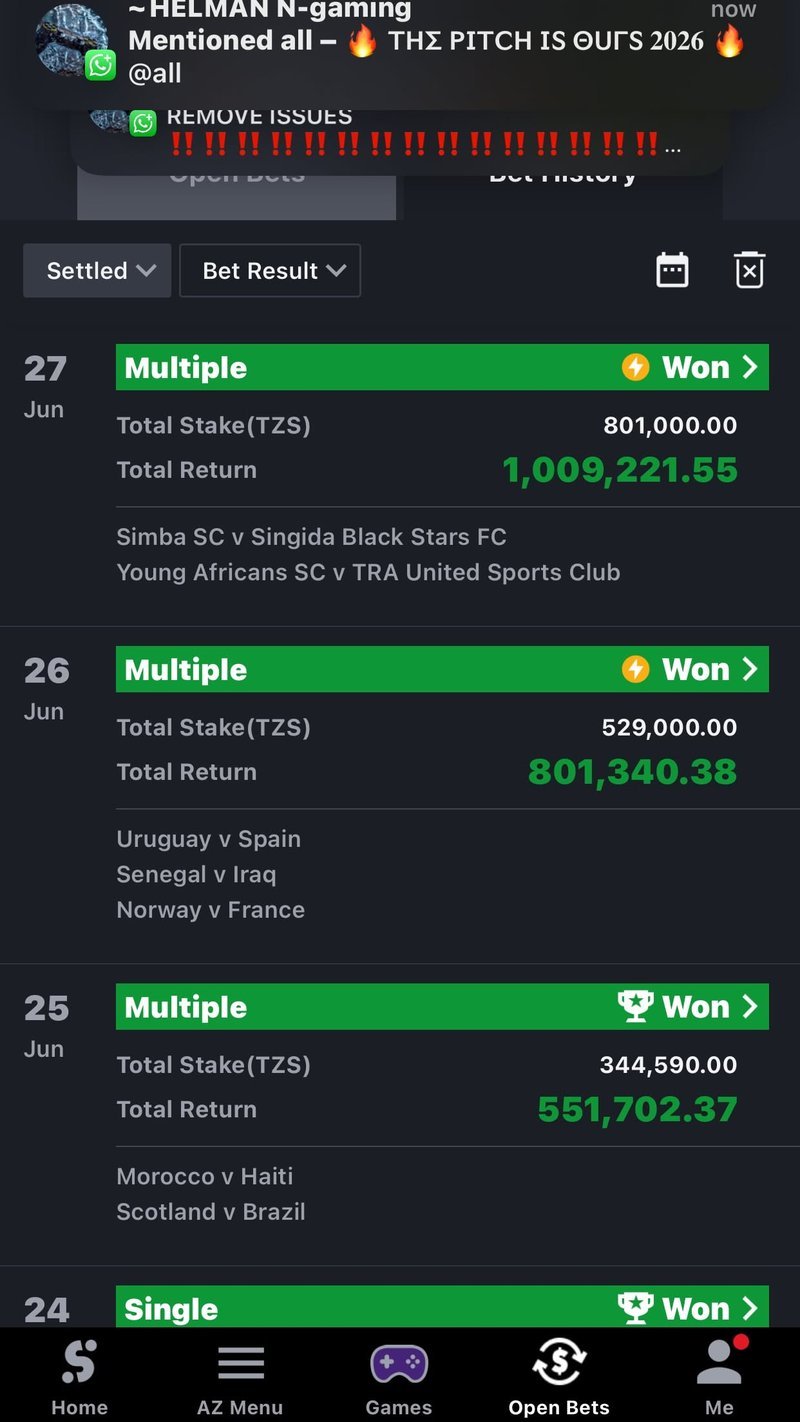
In the same way that mobile esports has broadened access to competitive play, the world of online gaming entertainment offers a wealth of options for casual fans, and whether you’re looking to unwind with a quick match or dive into a full‑blown tournament, platforms like Donbet provide a seamless way to explore diverse games, earn rewards, and connect with a global community of players.
What does the future hold?
Predicting the next decade is tricky, but one trend is clear: mobile esports will keep blurring the line between casual and professional play. With the rollout of 6G and foldable displays, we could see tournaments held in stadiums where spectators watch live feeds on their own phones. For players, the barrier to entry will drop even further, as cloud gaming services offload processing to edge servers, enabling mid‑range devices to run high‑end titles.
In short, the mobile esports boom proves how technology can democratize competition. From hardware advances to global tournaments, the scene is now as vibrant as any PC league. Whether you’re a seasoned pro or a weekend gamer, the next big event is just a tap away.